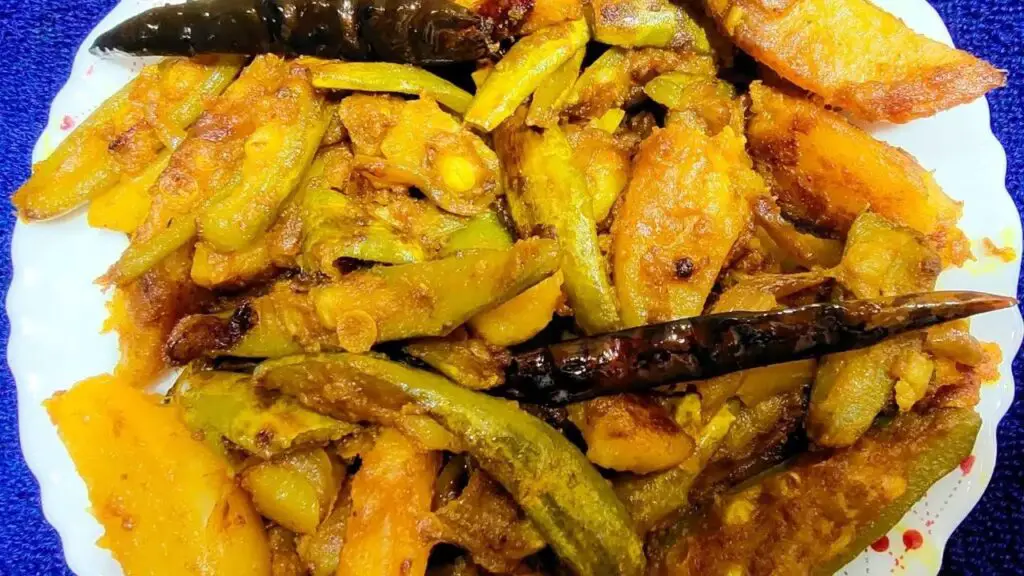
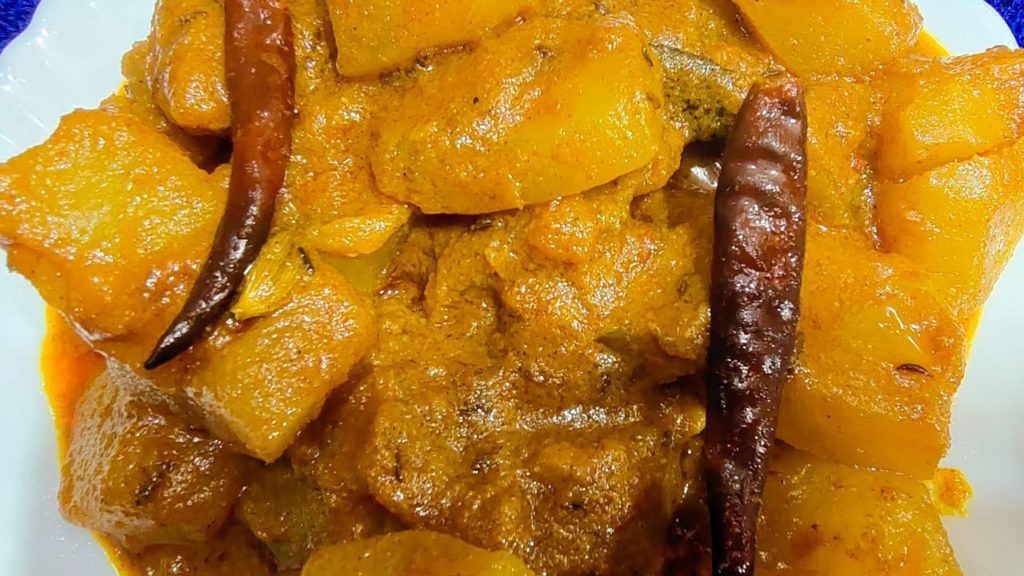
Aloo Gobi Fry is one of those dishes I like making when I want something simple with available vegetables. I cut the potatoes into slices and parboil the cauliflower before cooking them with kalonji, dry red chilies, and mustard oil. I learned to be patient with the potatoes before adding the cauliflower, as both need different amounts of cooking time. This is a straightforward recipe that brings out the familiar taste of a home-cooked Indian meal without needing a long list of spices.

Recipe Highlights:

- Aloo gobi fry is a popular Indian dish.
- Aloo gobi fry can be enjoyed as a main course with rice or roti, or served as a side dish alongside other Indian curries.
- Aloo gobi fry tastes earthy, mildly spicy and savory.
- I can cook this dish in half an hour, which includes 15 minutes of preparation.
- Some similar dishes include aloo baingan fry, baingan fry, gobi fry, and aloo Shimla mirch.
The Ingredients:

- Cauliflower – 2 Nos (Cut, cleaned and preferably parboiled)
- Potato – 2 Nos (Sliced and cleaned)
- Mustard Oil – As required
- Dry Chili – 4 Nos
- Kalonji – Half tsp
- Turmeric – 1 tsp
- Salt – As required
How to Make Aloo Gobi Fry (Step by Step Images)?
1. First, light the clay stove, (you can use any stove for this cooking), now heat the wok and add oil.

2. Add the kalonji or kalo jeera and dry chilies. Stir fry it.

3. Add all the potatoes, stir fry it for 5 mins.

4. Add 1 tsp turmeric and salt to taste.

5. When the potatoes are almost fried, add the cauliflower.

(Pro Tip: I add the cauliflower only after the potatoes soften slightly, so that both vegetables finish cooking without the cauliflower turning mushy.)
6. Stir fry the vegetables properly and add more salt, if required.

7.Stir fry it very well and your homemade aloo gobi fry is ready.

More Ways to Enjoy It
- My dish develops a unique earthy taste when I add a bit of hing to the hot oil.
- Sometimes, I crush the dry red chilies first to spread the heat into the potatoes.
- To give the vegetables a delicate tanginess, I finish them off with a little amchur, if they are to be served with plain rice.
- If I have some fresh coriander in the fridge, I finish the dish by sprinkling over some chopped leaves for a more refreshing taste.
Aloo Gobi Fry Recipe Tips & Tricks for Success
Q: Why do my potatoes stick to the wok in step 3?
A: The heat is perhaps too high. Reduce the heat slightly and stir gently to prevent it.
Q: What should I do to soften the cauliflower in step 6?
A: Cover the wok and allow the veggies to cook for a while over low heat, making sure the cauliflower doesn’t get too mushy.
Q: Why does my aloo gobi fry have a slightly bitter taste?
A: I also faced this situation initially and then learned to refrain from letting the kalonji and the dry chilies burn in the hot oil in step 2, as they impart a bitter flavor to the entire dish.
Q: What can I do to keep the fried veggies firm?
A: Ensure that I gently mix the florets in step 5 and stop when the potatoes are tender, but the cauliflower still holds its shape.
Recipe Card

Aloo Gobi Fry (Potato Cauliflower Fry)
Ingredients
- 2 pieces Cauliflower (cut, cleaned and preferably par boiled)
- 2 pieces Potato (cut and cleaned)
- 3 tablespoons Mustard Oil
- 4 pieces Dry Red Chili
- ½ tsp Kalonji
- 1 tsp Turmeric Powder
- Salt to Taste
Instructions
- First, light the clay stove (you can use any stove for this cooking). Now heat the wok and add oil.
- Add the kalonji or kalo jeera and dry chilies. Stir fry it.
- Add all the potatoes. Stir fry it for 5 mins.
- Add 1 tsp turmeric and salt to taste.
- When the potatoes are almost fried, add the cauliflower.
- (Pro Tip: I add the cauliflower only after the potatoes soften slightly, so that both vegetables finish cooking without the cauliflower turning mushy.)
- Stir fry the vegetables properly and add more salt, if required.
- Stir fry it very well and your homemade aloo gobi fry is ready.
Video
Notes
- Always pick fresh and firm cauliflower and potatoes to achieve the best results. Wash thoroughly and cut the cauliflower florets and potatoes evenly into small, similar sizes. This ensures even cooking and renders a consistent texture.
- Always use a pan or wok with a larger surface area. This will not overcrowd the vegetables and allow perfect cooking preventing them from being steamed and not fried. The eventual texture of the dish will be mushy, which is not desired.
- I stir-fry the vegetables on a medium to high heat. Regulate the flame judiciously to maintain a steady temperature so that the vegetables are fried nicely to a beautiful golden color and renders slight crispiness to them without losing their texture.