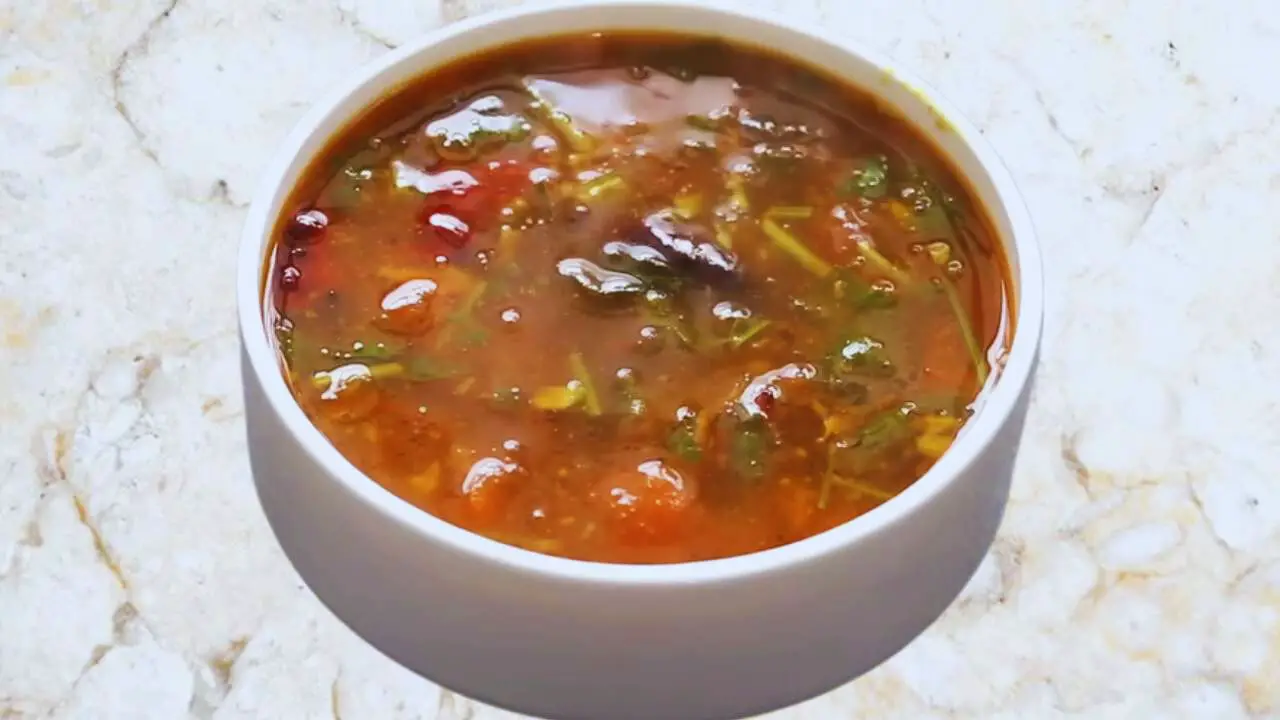
Rasam is mainly made from tomato, tamarind, and a green paste of curry leaves, coriander leaves and a variety of other spices. It is very easy to make rasam at home. If you are unaware of the process, follow my recipe.
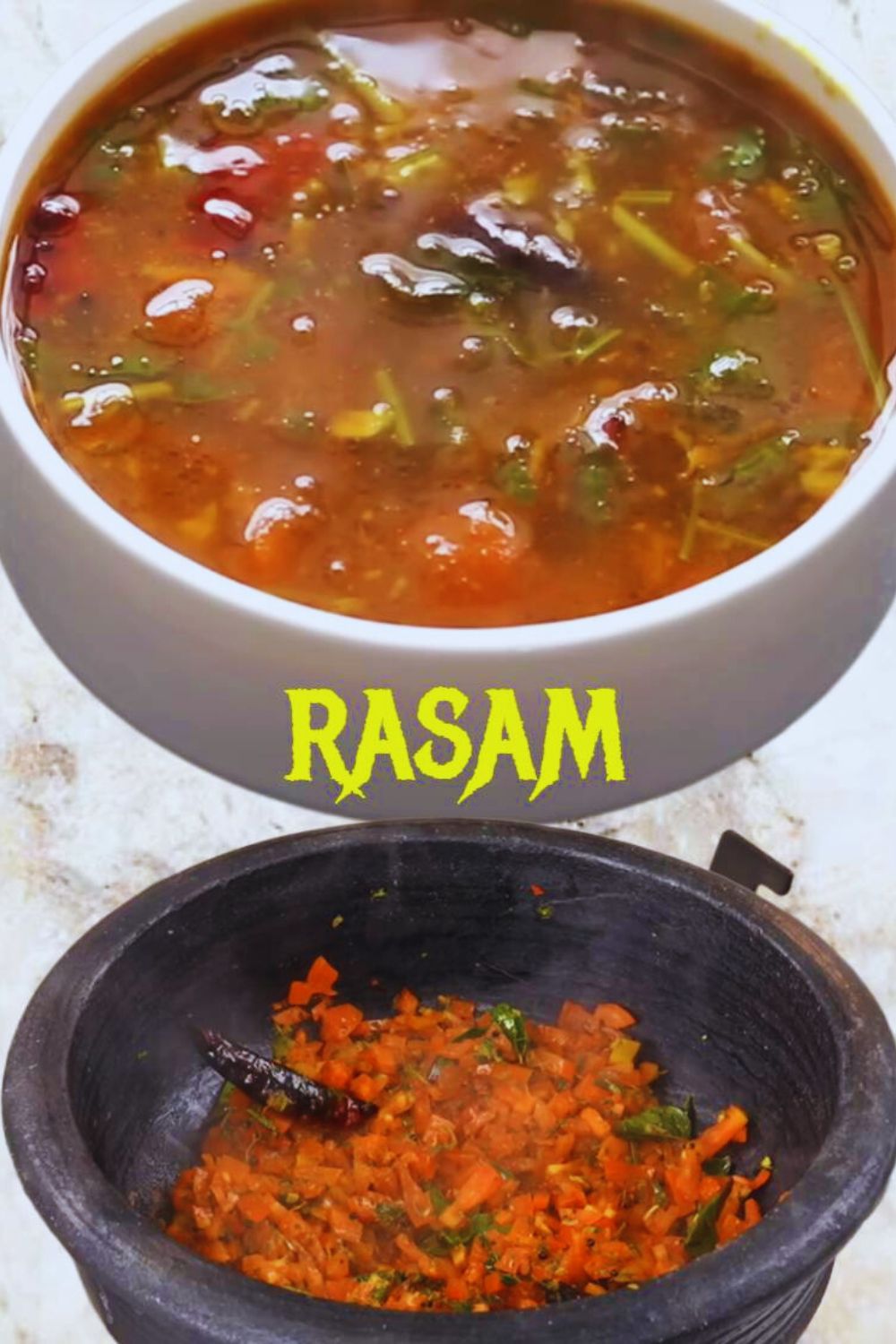
KEY TAKEAWAYS
- Rasam is a very popular dish in South India but is loved by people all over the nation.
- Serve rasam with steamed rice, papadum, or a side of dry vegetable curry.
- Rasam tastes tangy, spicy, and earthy.
- Other similar recipes are sambar, pepper rasam, and tamarind rasam.
The Ingredients:
To make the rasam:
- 4 pieces tomatoes (medium size, very finely chopped)
- 2 tbsp cooking oil
- 1 tsp mustard seeds (rai)
- ½ tsp asafetida (hing)
- 1 tsp fenugreek seeds (methi)
- 4 pieces dry red chilies
- 10 pieces curry leaves (whole)
- Salt to taste
- ½ tsp turmeric powder
- 5 cups water (more later, if required)
- ½ tsp jaggery
- ½ tsp red chili powder
- Salt to taste
- ¼ cup coriander leaves (finely chopped)
To make the tamarind mixture:
- 25 grams tamarind
- 5 cups water (to dilute the tamarind pulp)
To make the masala powder:
- 1 tbsp cumin seeds (jeera)
- 1 tbsp black pepper (kali mirch)
To make the green paste:
- 3 pieces green chilies
- 10 cloves garlic (deskinned)
- 10 pieces curry leaves
- ¼ cup coriander leaves
I came across this recipe during my elder son’s cricket practice. One of the moms brought it along and offered it to everyone. The taste was awesome, so much that I inquired about the process to make it. She wrote it down on a torn scorecard!
I made it on match day. My husband called it a sixer, and my sons cheered for it like a final run. Now, it is our game-day special. That field-side chat reminded me how sports isn’t only about runs and wickets—sometimes it is about food shared between overs and friendships that grow with every passing match.
How to Make Rasam? (Step by Step Guide with Images)
Step 1: Take 1 tbsp of cumin seeds and 1 tbsp of black pepper in a mortar and pestle and crush them coarsely. Transfer them to a separate bowl and keep aside.
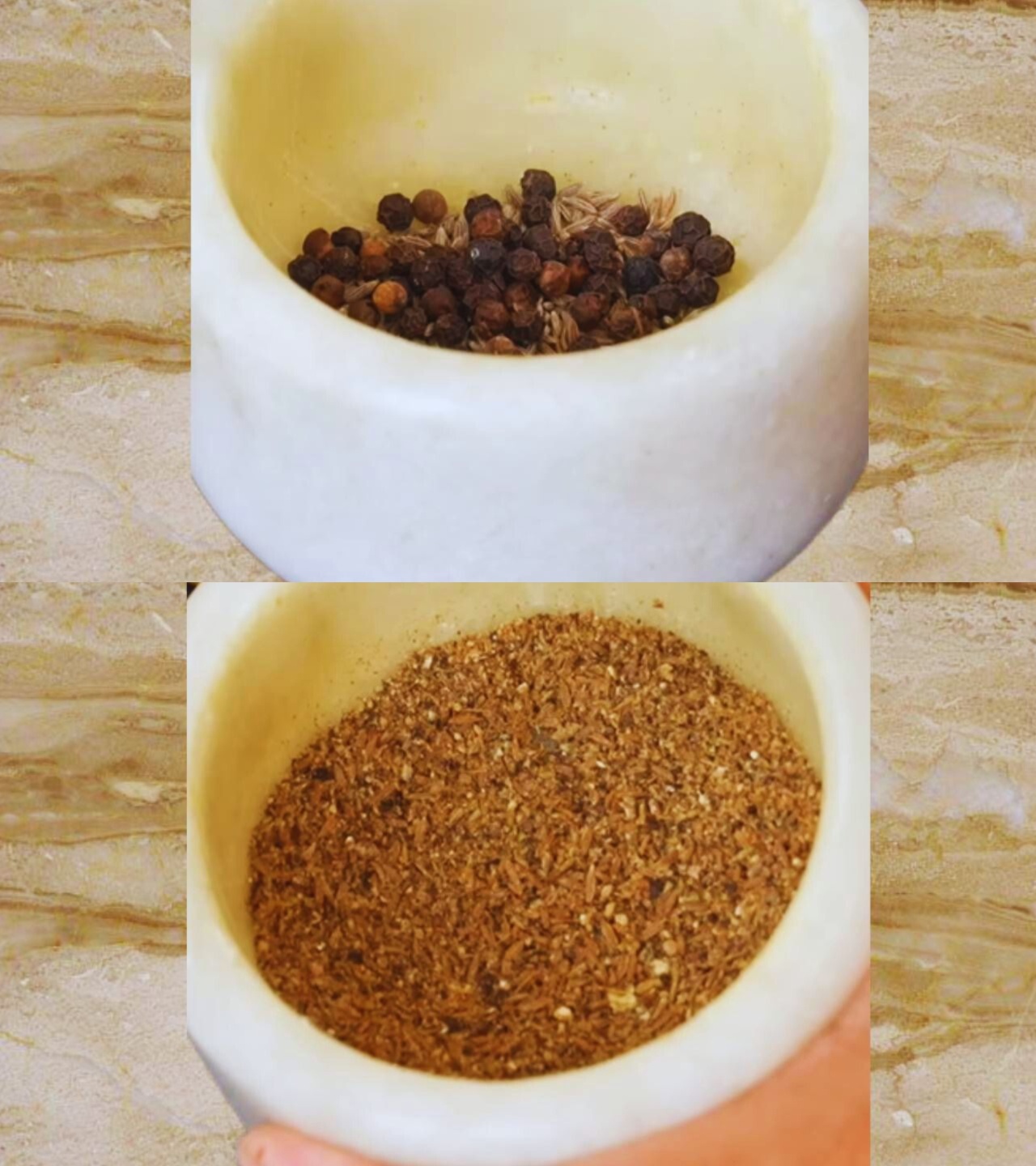
(Pro tip: You may grind them in a mixer, but crushing them traditionally renders a unique taste and flavor).
Step 2: Now, in the same mortar and pestle, take 3 pieces of green chilies, 10 cloves of deskinned garlic, 10 pieces of curry leaves, and ¼ cup of coriander leaves. Crush them to a coarse paste as well. Keep it aside.
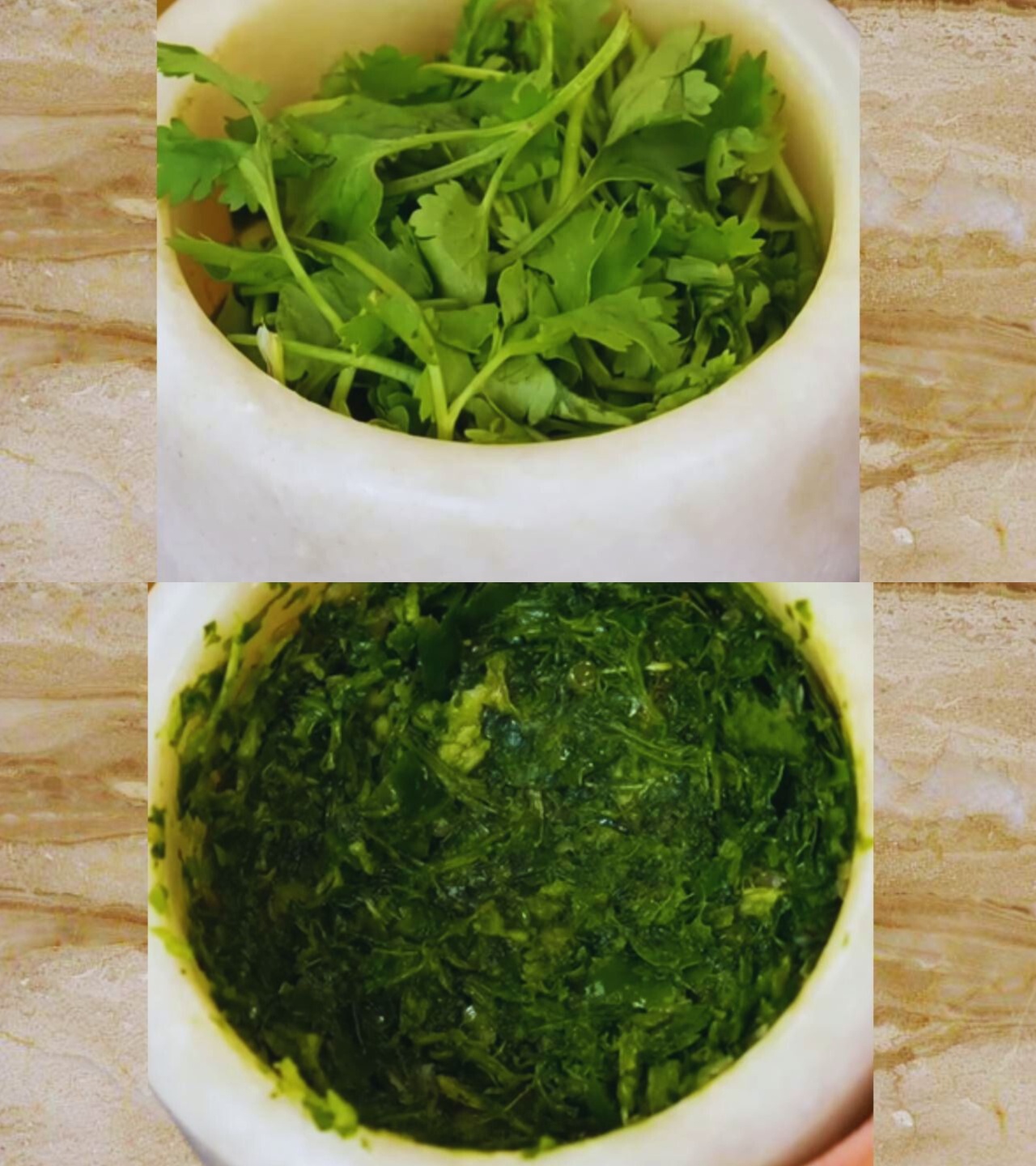
(Pro tip: The quantity of coriander leaves should always be more than the curry leaves).
Step 3: Now, soak 25 grams of tamarind in 1 cup of water in a bowl for some time. Then squeeze out the pulp and discard the seeds and fiber.
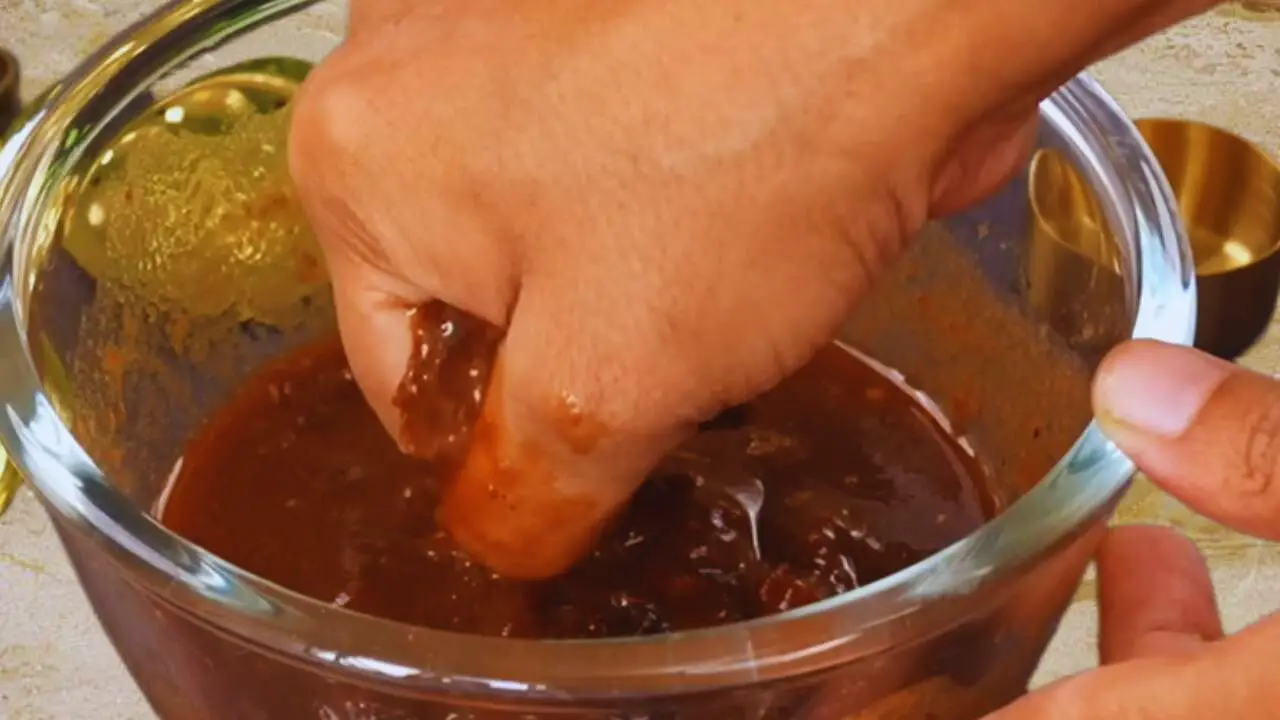
Step 4: Dilute the tamarind pulp by adding the remaining 4 cups of water to it. Keep it aside.
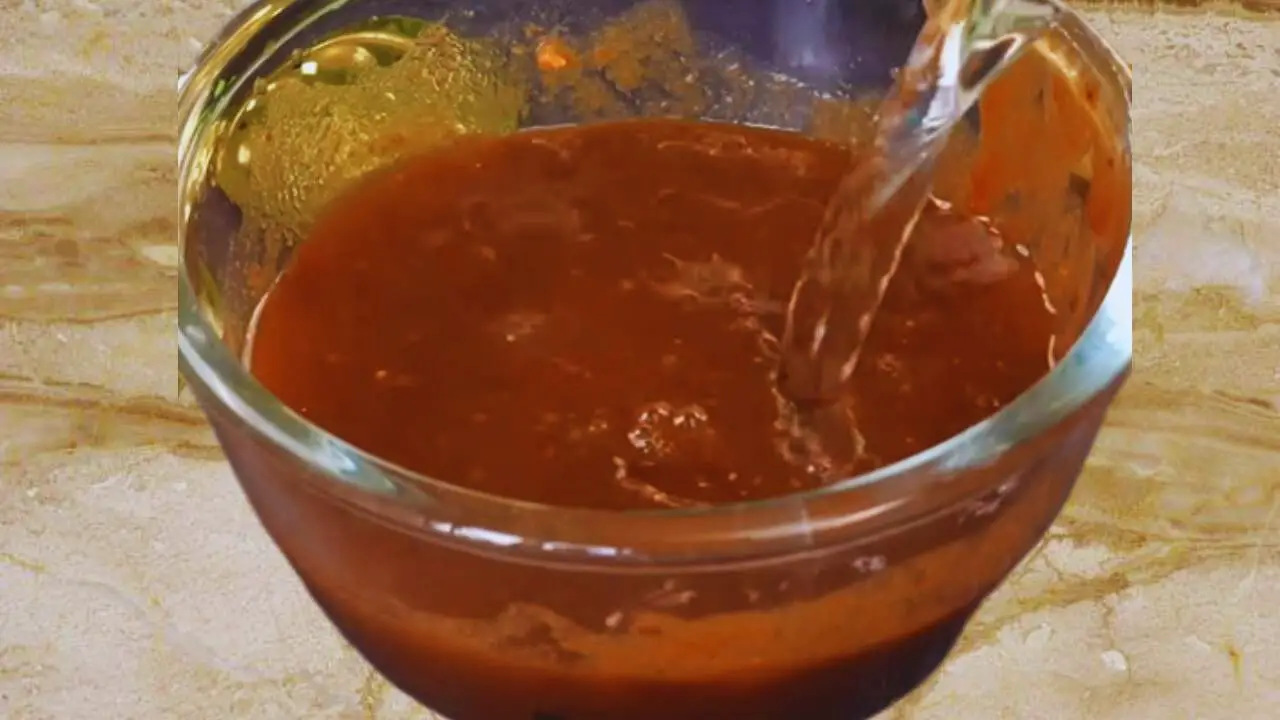
Step 5: Now, heat 2 tbsp of cooking oil in a kadai on a medium flame. When the oil is hot, add 1 tsp of mustard seeds (rai), ½ tsp of asafetida (hing), 1 tsp of fenugreek seeds (methi), and 4 pieces of dry red chilies to it and fry them for about half a minute or so.
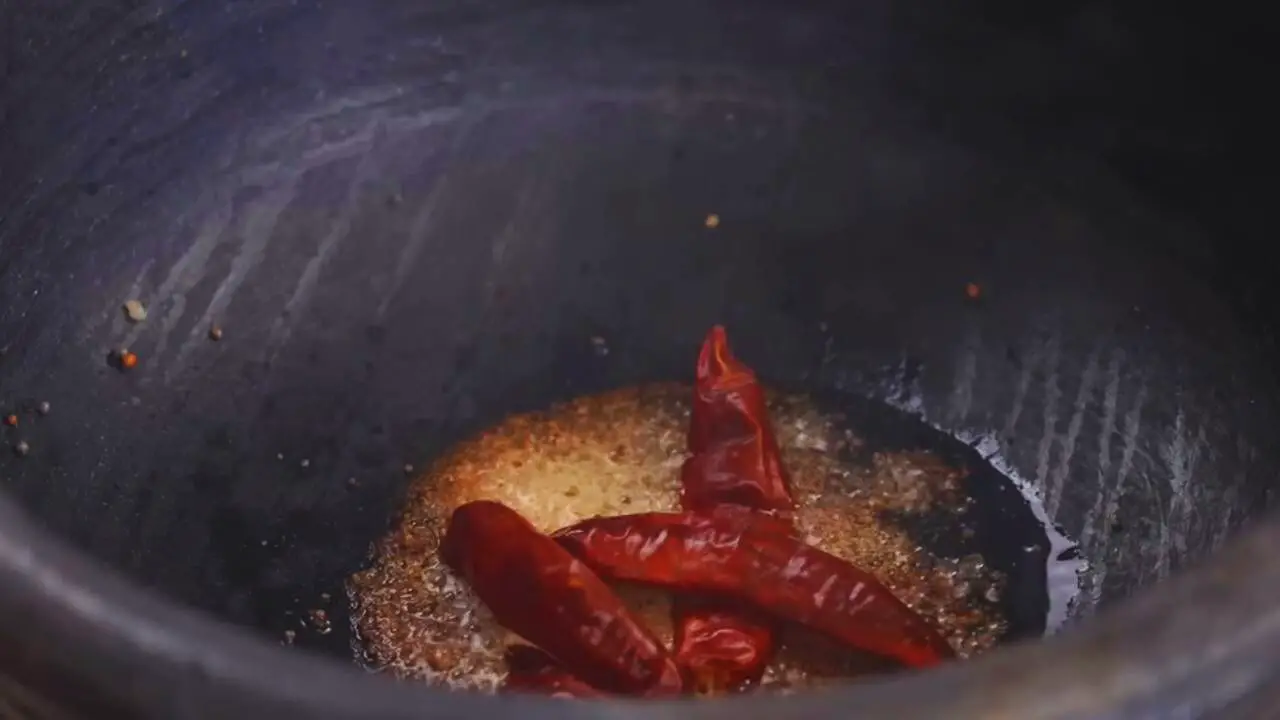
Step 6: Then, add 10 pieces of fresh and whole curry leaves to it along with the green paste you have made earlier and fry them for a minute or so.
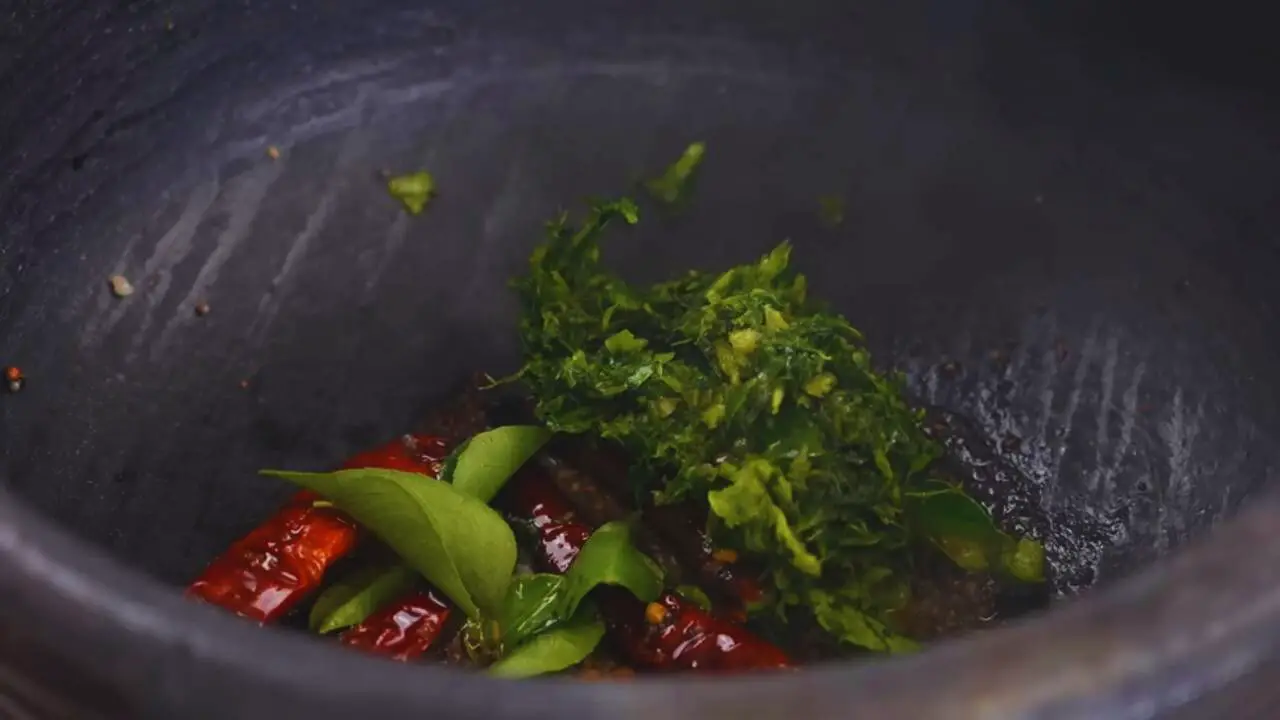
Step 7: When the masala is nicely fried, add 4 pieces of very finely chopped medium-sized tomatoes to it. Add salt to taste and ½ tsp of turmeric powder as well, and mix them nicely.
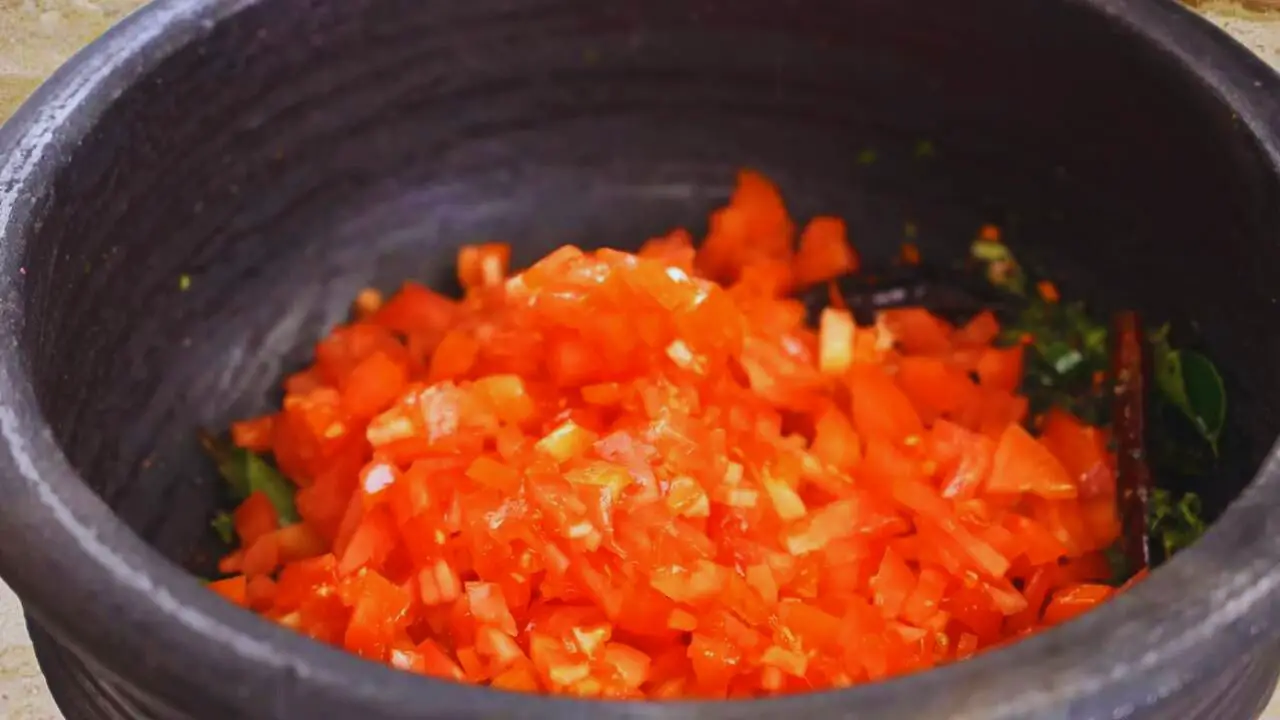
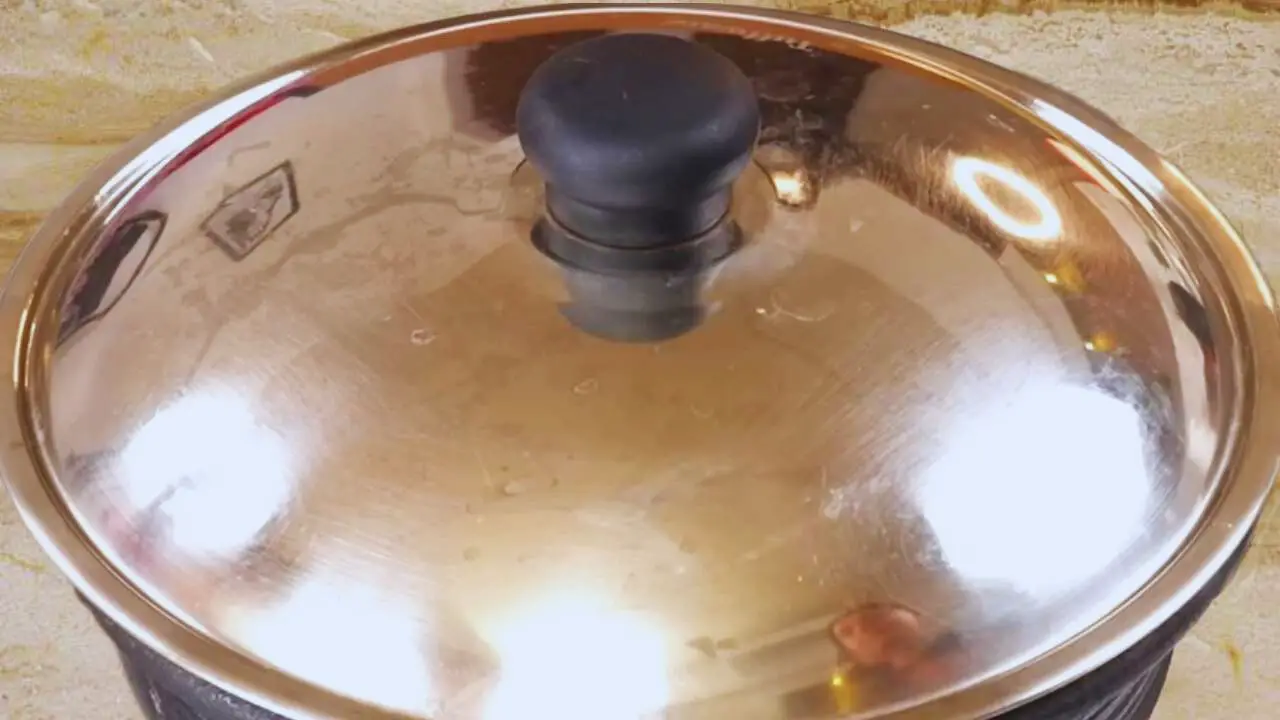
Step 8: Cover and cook it for about 3 to 4 minutes on a medium flame until the tomatoes turn soft.
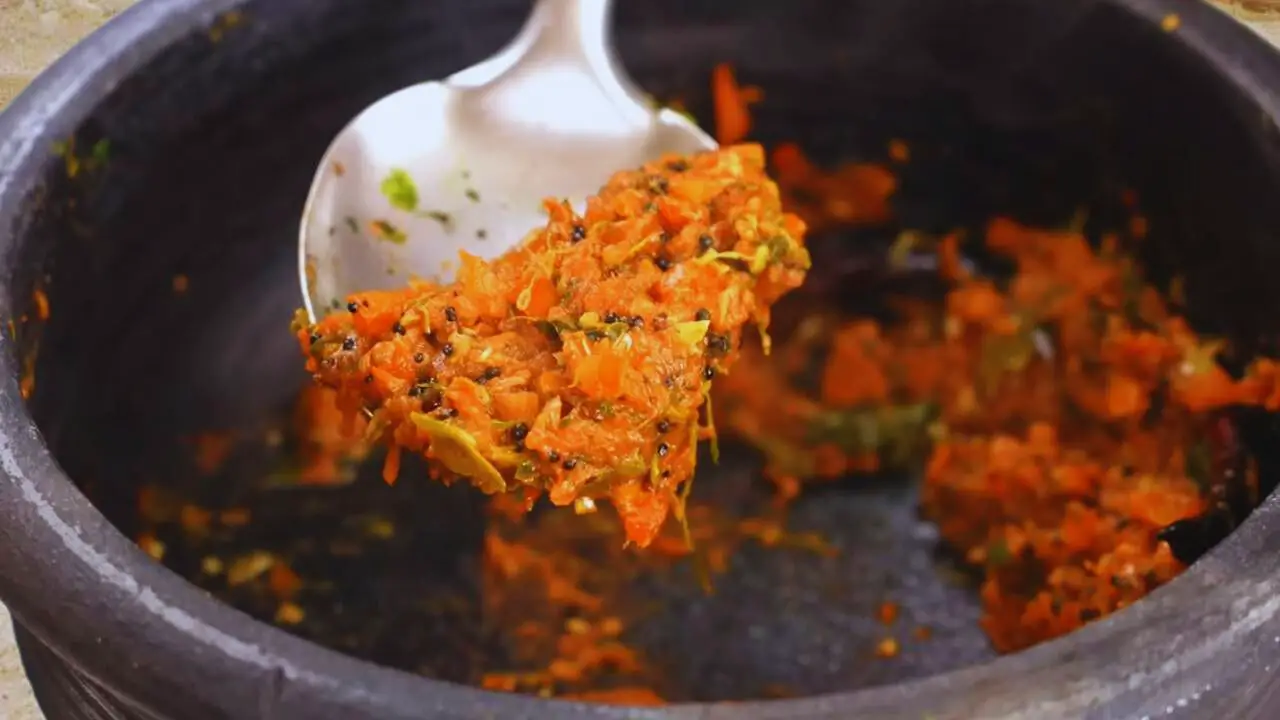
Step 9: Check the doneness of the tomatoes.
Step 10: Now, pour the tamarind pulp into it. Mix it nicely with the other ingredients.
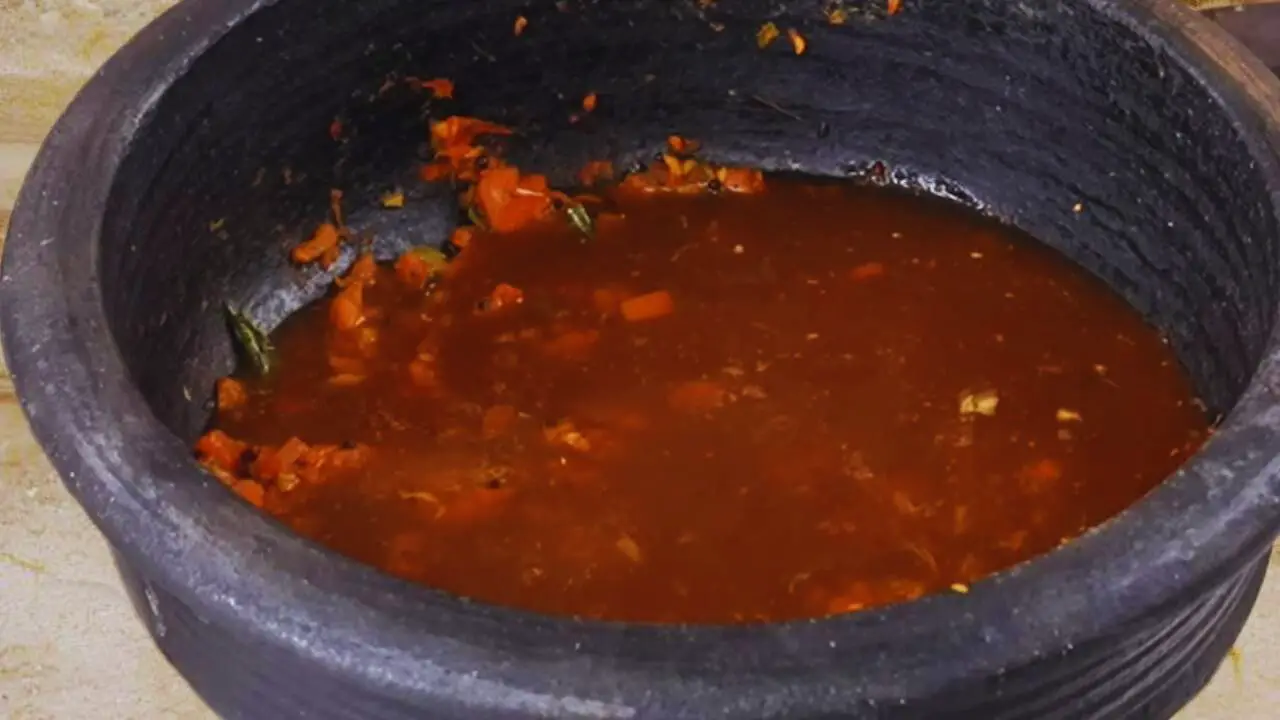
Step 11: Add 4 to 5 cups of water to it now. You can add more later, if required. Also, add ½ tsp of jaggery, ½ tsp of red chili powder, and salt to taste and mix them nicely with the mixture.
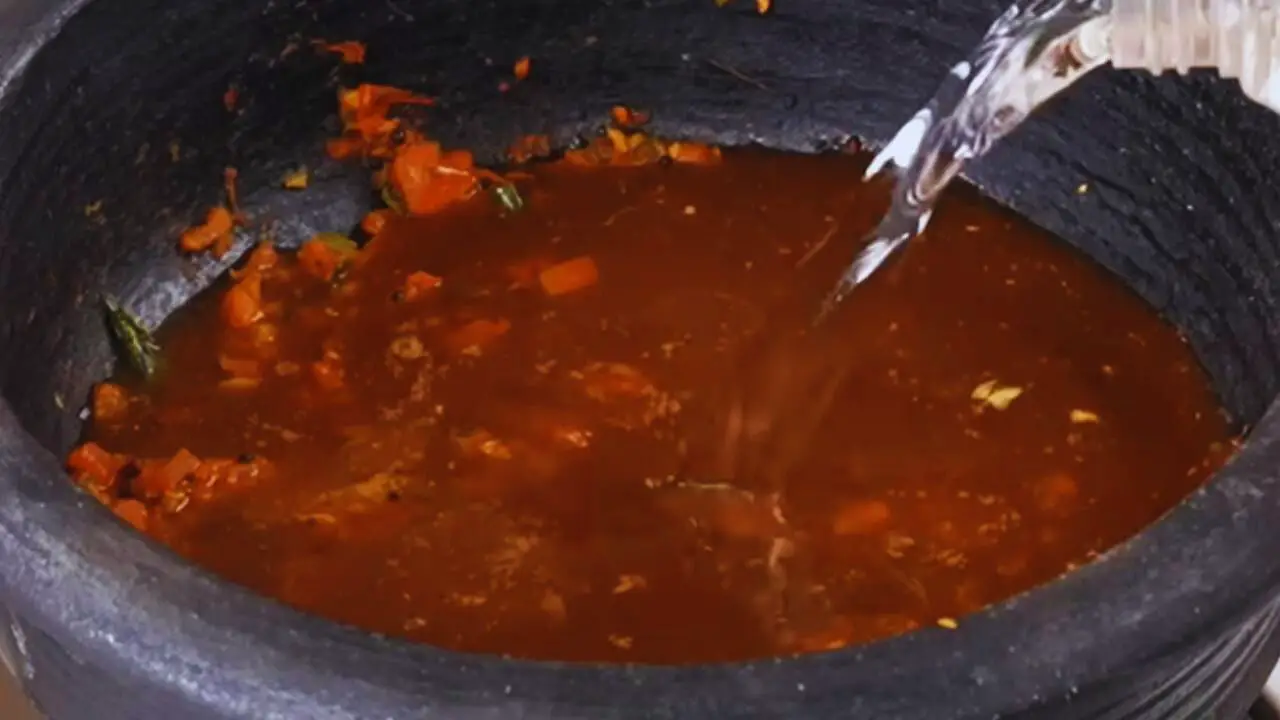
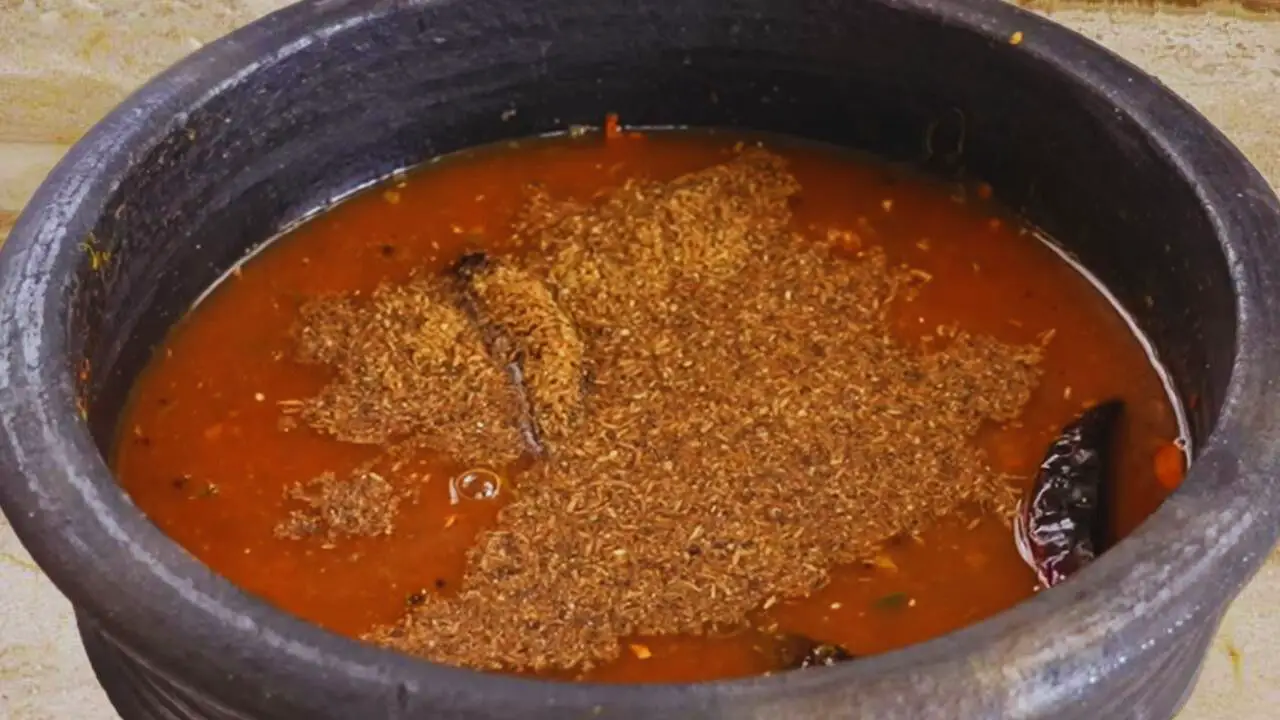
Step 12: Now, add the crushed cumin seeds and black pepper to the rasam. Mix it nicely. If you feel the rasam is too thick, add more water and salt at this stage. Cover and cook it on a medium flame for 6 to 7 minutes more.
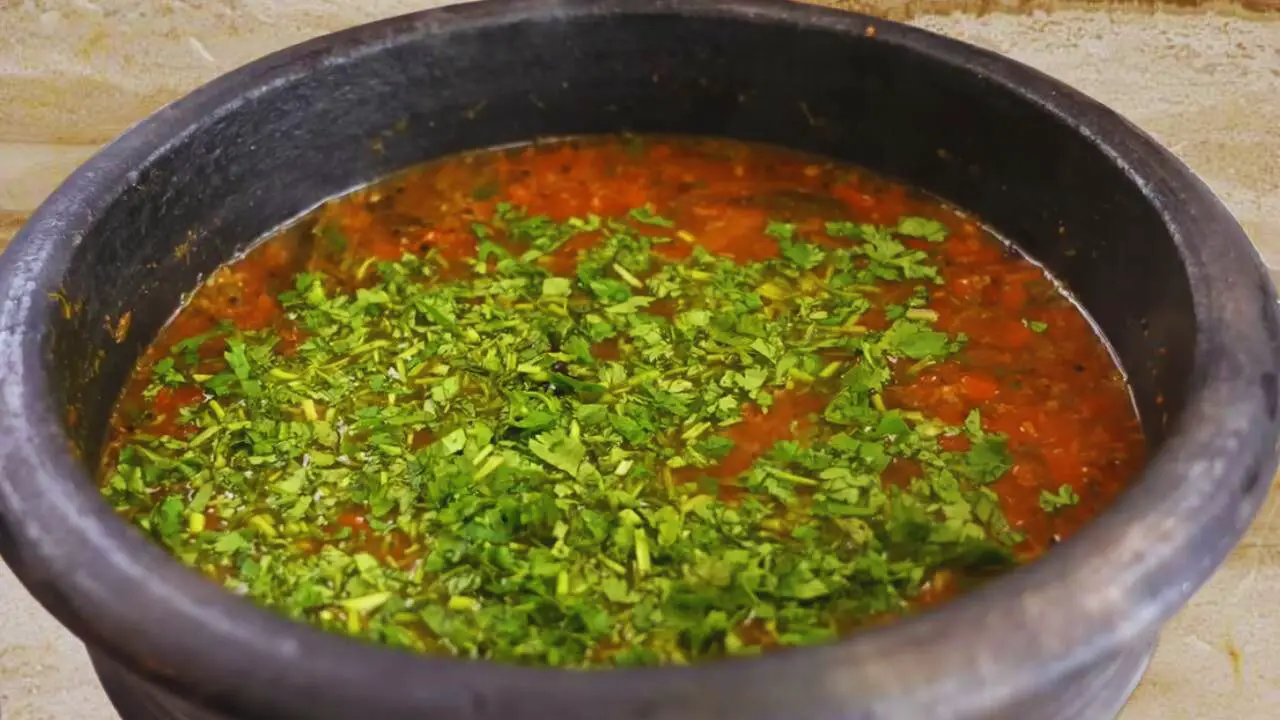
Step 13: Now, remove the lid and add ¼ cup of finely chopped fresh coriander leaves to the rasam. Cover and cook it for just another minute on a medium flame to let the flavor of coriander leaves infuse nicely.
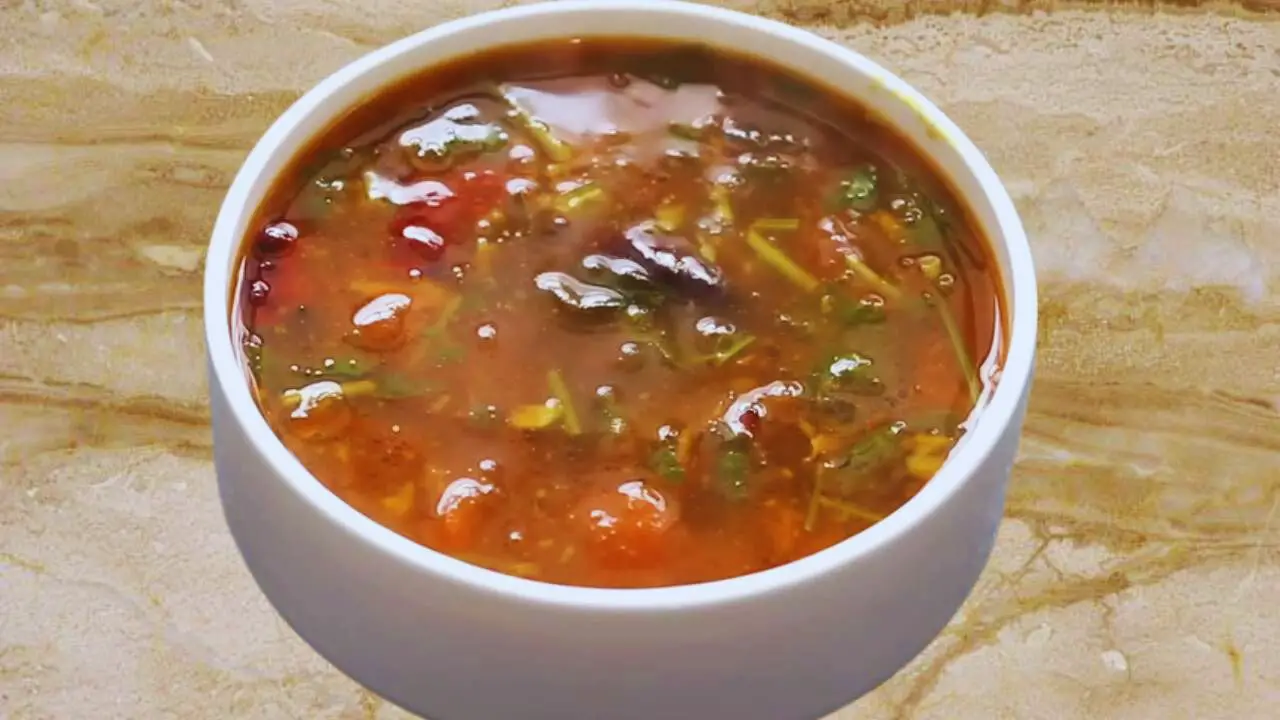
Step 14: Your tasty and healthy homemade rasam is now done. Transfer it to a serving bowl and enjoy it hot with steamed rice.
Recipe Card
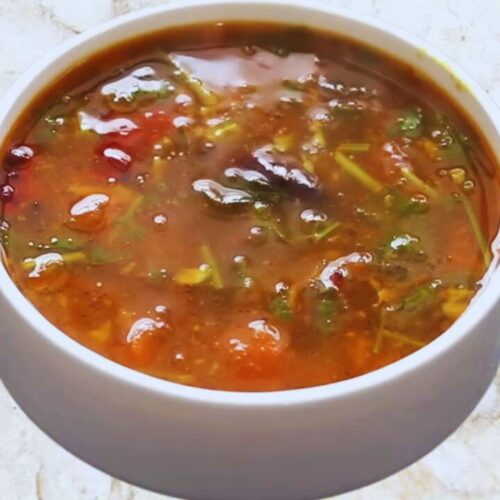
Rasam
Ingredients
To make the rasam:
- 4 pieces tomatoes medium size, very finely chopped
- 2 tbsp cooking oil
- 1 tsp mustard seeds rai
- ½ tsp asafetida hing
- 1 tsp fenugreek seeds methi
- 4 pieces dry red chilies
- 10 pieces curry leaves whole
- Salt to taste
- ½ tsp turmeric powder
- 5 cups water more later, if required
- ½ tsp jaggery
- ½ tsp red chili powder
- Salt to taste
- ¼ cup coriander leaves finely chopped
To make the tamarind mixture:
- 25 grams tamarind
- 5 cups water to dilute the tamarind pulp
To make the masala powder:
- 1 tbsp cumin seeds jeera
- 1 tbsp black pepper kali mirch
To make the green paste:
- 3 pieces green chilies
- 10 cloves garlic deskinned
- 10 pieces curry leaves
- ¼ cup coriander leaves
Instructions
- Take 1 tbsp of cumin seeds and 1 tbsp of black pepper in a mortar and pestle and crush them coarsely. Transfer them to a separate bowl and keep aside. (Pro tip: You may grind them in a mixer but crushing them traditionally renders a unique taste and flavor).
- Now, in the same mortar and pestle, take 3 pieces of green chilies, 10 cloves of deskinned garlic, 10 pieces of curry leaves, and ¼ cup of coriander leaves. Crush them to a coarse paste as well. Keep it aside. (Pro tip: The quantity of coriander leaves should always be more than the curry leaves).
- Now, soak 25 grams of tamarind in 1 cup of water in a bowl for some time. Then squeeze out the pulp and discard the seeds and fiber.
- Dilute the tamarind pulp by adding the remaining 4 cups of water to it. Keep it aside.
- Now, heat 2 tbsp of cooking oil in a kadai on a medium flame. When the oil is hot, add 1 tsp of mustard seeds (rai), ½ tsp of asafetida (hing), 1 tsp of fenugreek seeds (methi), and 4 pieces of dry red chilies to it and fry them for about half a minute or so.
- Then, add 10 pieces of fresh and whole curry leaves to it along with the green paste you have made earlier and fry them for a minute or so.
- When the masala is nicely fried, add 4 pieces of very finely chopped medium-sized tomatoes to it. Add salt to taste and ½ tsp of turmeric powder as well and mix them nicely.
- Cover and cook it for about 3 to 4 minutes on a medium flame until the tomatoes turn soft.
- Check the doneness of the tomatoes.
- Now, pour the tamarind pulp into it. Mix it nicely with the other ingredients.
- Add 4 to 5 cups of water to it now. You can add more later, if required. Also, add ½ tsp of jaggery, ½ tsp of red chili powder, and salt to taste and mix them nicely with the mixture.
- Now, add the crushed cumin seeds and black pepper to the rasam. Mix it nicely. If you feel the rasam is too thick, add more water and salt at this stage. Cover and cook it on a medium flame for 6 to 7 minutes more.
- Now, remove the lid and add ¼ cup of finely chopped fresh coriander leaves to the rasam. Cover and cook it for just another minute on a medium flame to let the flavor of coriander leaves infuse nicely.
- Your tasty and healthy homemade rasam is now done. Transfer it to a serving bowl and enjoy it hot with steamed rice.