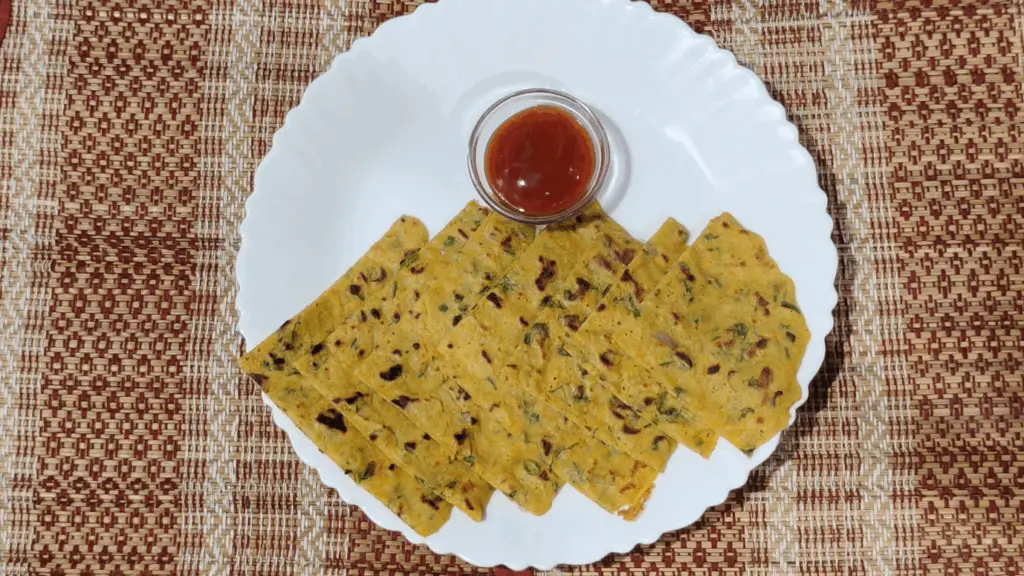
Medu vada consists of small rings made of urad dal batter comprising ginger, coconut, onions, and other spices. These vadas with a hole in the middle are deep-fried to a crispy exterior and golden color. Continue reading my recipe to learn the steps to make medu vada at home.

KEY TAKEAWAYS
- Medu Vada is a very popular South Indian food.
- It is mostly served with coconut chutney and sambar.
- Medu vada tastes earthy and tangy.
- Other similar recipes are rava vada, masala vada, and batata vada.
The Ingredients:
- 1 cup urad dal (split and skinless, washed and soaked for 6 to 8 hours)
- 1 piece ginger (2-inch size, peeled)
- 3 pieces green chilies (whole)
- 1 tbsp coconut (freshly chopped or grated)
- 1 tbsp onion (finely chopped)
- 1 tbsp coriander leaves (fresh, finely chopped)
- 8 pieces curry leaves (chopped)
- ½ tsp cumin seeds
- ½ tsp crushed black pepper
- ¼ tsp asafetida (hing)
- Salt to taste
- 3 tbsp rice flour
- Cooking oil – an adequate amount for deep frying

I learned this recipe in a haldi ceremony I attended in our area. One of the aunts brought this delicious and crispy vadas for the lunch spread. I couldn’t stop myself from asking who made it. She proudly raised her hand and later shared the recipe with me during a quiet corner chat.
I tried it that weekend. My husband said it tasted festive, and my boys kept asking when there’d be another wedding. Now, I make it during celebrations at home. That haldi didn’t just color the bride—it left a golden recipe behind in my kitchen.
How to Make Medu Vada? (Step by Step Guide with Images)
Step 1: Take 1 cup of urad dal in a bowl. Wash it nicely 2 to 3 times till the water becomes clear and free of starch. After washing, soak the dal in enough water for 6 to 8 hours or overnight. Cover the bowl and keep it at room temperature for best results.

(Pro tip: Washing dal removes dirt and excess starch that can affect batter texture. Soaking softens the dal to help grind easily into a smooth batter.)
Step 2: After 6 hours, rinse the dal once again with fresh water lightly, then drain well. Then, transfer the dal into a mixer jar. Add a 2-inch piece of fresh ginger and 3 pieces of whole green chilies to it. Now, add very little water gradually while grinding, just enough to start the blender. Grind the dal, ginger, and chilies to a thick, smooth batter. Now, check the batter thickness.

(Pro tip: Ginger and chilies add a mild spice and aroma to the vada batter. Do not add too much water as it will make the batter runny and the vadas flat and soggy. The thickness of the batter is important for making crispy and well-formed vadas.)
Step 3: Pour out the batter into a mixing bowl. To the batter, add 1 tbsp of coconut (freshly chopped or grated), 1 tbsp of finely chopped onion, 1 tbsp of coriander leaves (fresh, finely chopped), and 8 pieces of chopped curry leaves. Follow it with ½ tsp of cumin seeds, ½ tsp of crushed black pepper, ¼ tsp of asafetida (hing), salt to taste, and 3 tbsp of rice flour. Mix these thoroughly into the batter so that the ingredients are evenly spread, but the batter does not lose volume. Check the final consistency of the batter; it should be thick but have a dropping consistency.

(Pro tip: Adding rice flour helps in making the vada extra crisp on the outside while keeping it soft inside. Ensure that the batter is thick and fluffy with no lumps. Add just a little bit of water if it is stiff but do not make it too thin or runny, otherwise you will get oily and flat vadas.)
Step 4: Heat sufficient oil in a deep kadai on medium flame for deep frying. The oil should be enough to allow the vadas to float and fry evenly. To test, drop a small drop of batter into the hot oil; if it rises immediately, the oil is ready. Remove it before putting the vadas.

(Pro tip: Always fry on medium flame to allow the inside to cook properly without burning the outside. This slow frying on medium flame keeps the vadas soft inside and crunchy outside.)
Step 5: Now, wet your fingers slightly with water to prevent the batter from sticking while shaping. Also, wet the back of a small bowl or katori you will use to shape the vadas. This helps in easily unmolding the batter into the hot oil. Take a small portion of batter on the back of the wet katori. Press gently and spread it evenly to form a small round disc about 3 to 4 inches in diameter. Use a wet finger to make a small hole in the center of the disc for the classic vada shape.

Step 6: Carefully release the shaped vada from the katori into the hot oil. Do it gently so the vada doesn’t lose shape on falling. When the bottoms turn light golden, use a slotted spoon to gently flip the vadas and fry the other side as well. Keep flipping a few times to get an even golden-brown crispness on both sides. Remove vadas when golden and crisp.

Step 7: Take out the fried vadas and place them on a strainer or a plate lined with kitchen paper towels or napkins. This removes excess oil. Repeat the process to make all the medu vadas.

(Pro tip: Fry vadas in batches depending on kadai size, generally 3 to 5 at once. Do not overcrowd the kadai to maintain oil temperature. They should float and pop up on the surface of the oil.)
Step 8: Your crispy and tasty medu vadas are now ready. Serve them with freshly made coconut and coriander chutney.

Recipe Card

Medu Vada
Ingredients
- 1 cup urad dal split and skinless, washed and soaked for 6 to 8 hours
- 1 piece ginger 2-inch size, peeled
- 3 pieces green chilies whole
- 1 tbsp coconut freshly chopped or grated
- 1 tbsp onion finely chopped
- 1 tbsp coriander leaves fresh, finely chopped
- 8 pieces curry leaves chopped
- ½ tsp cumin seeds
- ½ tsp crushed black pepper
- ¼ tsp asafetida hing
- Salt to taste
- 3 tbsp rice flour
- Cooking oil – an adequate amount for deep frying
Instructions
- Take 1 cup of urad dal in a bowl. Wash it nicely 2 to 3 times till the water becomes clear and free of starch. After washing, soak the dal in enough water for 6 to 8 hours or overnight. Cover the bowl and keep it at room temperature for best results. (Pro tip: Washing dal removes dirt and excess starch that can affect batter texture. Soaking softens the dal to help grind easily into a smooth batter.)
- After 6 hours, rinse the dal once again with fresh water lightly, then drain well. Then, transfer the dal into a mixer jar. Add a 2-inch piece of fresh ginger and 3 pieces of whole green chilies to it. Now, add very little water gradually while grinding, just enough to start the blender. Grind the dal, ginger, and chilies to a thick, smooth batter. Now, check the batter thickness. (Pro tip: Ginger and chilies add a mild spice and aroma to the vada batter. Do not add too much water as it will make the batter runny and the vadas flat and soggy. The thickness of the batter is important for making crispy and well-formed vadas.)
- Pour out the batter into a mixing bowl. To the batter, add 1 tbsp of coconut (freshly chopped or grated), 1 tbsp of finely chopped onion, 1 tbsp of coriander leaves (fresh, finely chopped), and 8 pieces of chopped curry leaves. Follow it with ½ tsp of cumin seeds, ½ tsp of crushed black pepper, ¼ tsp of asafetida (hing), salt to taste, and 3 tbsp of rice flour. Mix these thoroughly into the batter so that the ingredients are evenly spread, but the batter does not lose volume. Check the final consistency of the batter; it should be thick but have a dropping consistency. (Pro tip: Adding rice flour helps in making the vada extra crisp on the outside while keeping it soft inside. Ensure that the batter is thick and fluffy with no lumps. Add just a little bit of water if it is stiff but do not make it too thin or runny, otherwise you will get oily and flat vadas.)
- Heat sufficient oil in a deep kadai on medium flame for deep frying. The oil should be enough to allow the vadas to float and fry evenly. To test, drop a small drop of batter into the hot oil; if it rises immediately, the oil is ready. Remove it before putting the vadas. (Pro tip: Always, fry on medium flame to allow the inside to cook properly without burning the outside. This slow frying on medium flame keeps the vadas soft inside and crunchy outside.)
- Now, wet your fingers slightly with water to prevent the batter from sticking while shaping. Also, wet the back of a small bowl or katori you will use to shape the vadas. This helps in easily unmolding the batter into the hot oil. Take a small portion of batter on the back of the wet katori. Press gently and spread it evenly to form a small round disc about 3 to 4 inches in diameter. Use a wet finger to make a small hole in the center of the disc for the classic vada shape.
- Carefully release the shaped vada from the katori into the hot oil. Do it gently so the vada doesn’t lose shape on falling. When the bottoms turn light golden, use a slotted spoon to gently flip the vadas and fry the other side as well. Keep flipping a few times to get an even golden-brown crispness on both sides. Remove vadas when golden and crisp.
- Take out the fried vadas and place them on a strainer or a plate lined with kitchen paper towels or napkins. This removes excess oil. Repeat the process to make all the medu vadas. (Pro tip: Fry vadas in batches depending on kadai size, generally 3 to 5 at once. Do not overcrowd the kadai to maintain oil temperature. They should float and pop up on the surface of the oil.)
- Your crispy and tasty medu vadas are now ready. Serve them with freshly made coconut and coriander chutney.
Notes
Nutrition Info (Estimation Only)