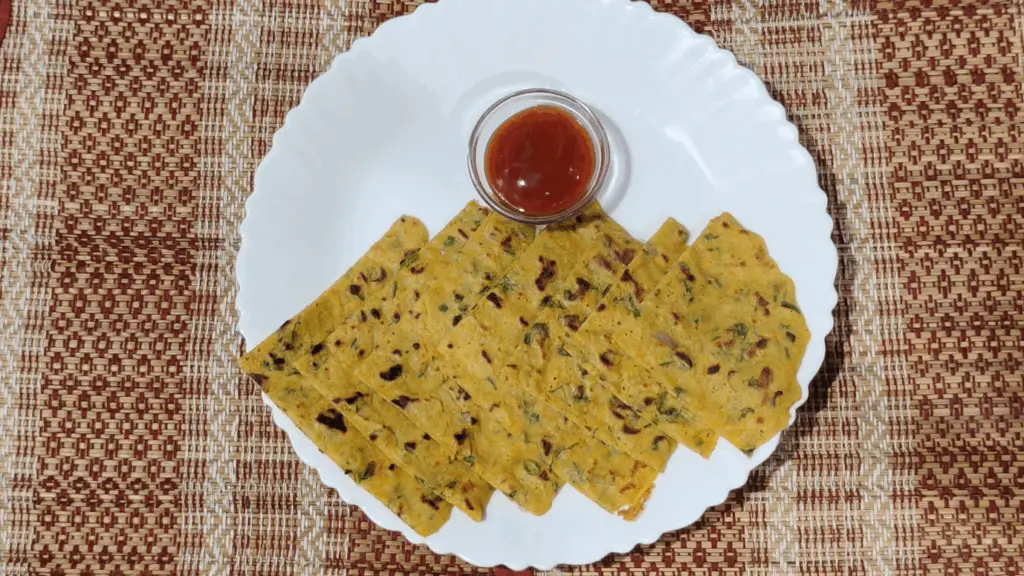
Plain dosa originates from a basic fermented batter of rice and split urad dal (without the skin), along with a tiny quantity of methi, which collectively impart the typical light sourness and golden crispness. The ingredients are soaked, ground, and left for a slow fermentation to obtain the natural airy texture. After that, the batter is lightly spread on a hot tawa and cooked with a little oil until the dosa is done to a perfect crisp. Just follow my simple recipe and dexterously learn how to make plain dosa at home.

KEY TAKEAWAYS
- Plain dosa is one of the most popular and widely loved breakfast dishes across India, enjoyed in homes and restaurants alike.
- Serve it with hot sambar, fresh coconut chutney, or a tangy tomato chutney for a complete meal.
- Plain dosa has a mildly sour and tangy flavor with crisp edges.
- Other similar recipes are masala dosa, rava dosa, and onion dosa.
The Ingredients:
For making the batter for plain dosa:
- ½ cup urad dal (without skin, split)
- 1.5 cup rice
- 1 tsp methi
- 2 cups water
- 1 tsp salt
For frying the plain dosa:
- Water – as required for sprinkling
- Cooking oil – as required for sprinkling and cooking the dosa

I visited my neighbor’s place one afternoon on a whim. She was an elderly South Indian woman who was known to remember every recipe by heart and never use scales or a recipe book. That afternoon, her hands moved through the motions of prepping dosa batter while the scent drifted down the hall. It was that smell that drew me toward her stove. As she rinsed rice and lentils under running water, little things slipped out between gestures – how fenugreek plays its part and what smoothness means for crisp edges.
Later, alone in my home, I wrote each detail into a notebook, scribbling reminders along the sides just to be sure. That following weekend, I gave it another try – nerves mixed with real excitement. The batter had bubbled up just right, somehow, giving dosas that perfect golden edge. Crisp enough for my husband to pause mid-bite, plus both boys reached for seconds without being asked. Plates came back clean, sitting there quiet and wiped mostly bare. Luck played a part, maybe, though what stays is how good it feels to trust a recipe this much.
How to Make Plain Dosa? (Step by Step Guide with Images)
Step 1: In a bowl take ½ cup of urad dal (without skin, split), 1.5 cups of rice and 1 tsp of methi. Wash them all nicely together and pour 2 cups of water in it, ensuring all grains are fully submerged. Cover the bowl and let them soak in water for at least 6 hours for proper softening.

Step 2: After 6 hours, transfer the soaked rice and dal to a mixie jar. Ensure you put in as little water as possible to control batter thickness. Then, make a smooth paste of it. Check the texture carefully. The batter should be slightly granular due to the dal and well-blended rice.

Step 3: Transfer the dosa batter from the mixie jar to a clean bowl. Check the consistency once again before fermentation begins. Cover the bowl again and keep it aside for further fermentation overnight in a warm place.

Step 4: The next day, add 1 tsp of salt to the batter and mix nicely using your hand or spoon. Now, add a little bit of water to it and mix nicely, if required. Check the consistency carefully. Ideally, it should be free-flowing but not watery.

Step 5: Now, heat an iron tawa over a high flame until it becomes evenly hot. Quickly make a mixture of a little water and 1 tsp of cooking oil in a small bowl. When the tawa is hot, sprinkle the oil and water mixture on it and rub it with a piece of cloth or tissue paper to season the surface. Then, put a ladle full of the batter in the center of the hot tawa. Use the back of the ladle to spread it evenly on the surface of the tawa in a circular motion, starting from the center.

Step 6: Then, put some cooking oil on the dosa and spread it gently using a spatula. Let it cook for half a minute, allowing the base to turn crisp and release easily.

Step 7: Now, carefully release the sides with the spatula when it has turned slightly golden brown at the bottom. Flip the dosa a couple of times to cook nicely on both sides. Roll it and remove it from the tawa when done. Repeat the steps to make all the dosas this way without overcrowding the pan.

Step 8: Your crispy and golden homemade plain dosa is now ready to enjoy. Serve it hot along with hot sambar, cool and refreshing coconut chutney, and spicy tomato chutney for a complete and satisfying meal.

Recipe Card

Plain Dosa
Ingredients
For making the batter for plain dosa:
- ½ cup urad dal without skin, split
- 1.5 cup rice
- 1 tsp methi
- 2 cups water
- 1 tsp salt
For frying the plain dosa:
- Water – as required for sprinkling
- Cooking oil – as required for sprinkling and cooking the dosa
Instructions
- In a bowl take ½ cup of urad dal (without skin, split), 1.5 cup of rice and 1 tsp of methi. Wash them all nicely together and pour 2 cups of water in it, ensuring all grains are fully submerged. Cover the bowl and let them soak in water for at least 6 hours for proper softening.
- After 6 hours, transfer the soaked rice and dal to a mixie jar. Ensure you put in as little water as possible to control batter thickness. Then, make a smooth paste of it. Check the texture carefully. The batter should be slightly granular due to the dal and well-blended rice.
- Transfer the dosa batter from the mixie jar to a clean bowl. Check the consistency once again before fermentation begins. Cover the bowl again and keep it aside for further fermentation overnight in a warm place.
- The next day, add 1 tsp of salt to the batter and mix nicely using your hand or spoon. Now, add a little bit of water to it and mix nicely, if required. Check the consistency carefully. Ideally, it should be free flowing but not watery.
- Now, heat an iron tawa over a high flame until it becomes evenly hot. Quickly make a mixture of a little water and 1 tsp of cooking oil in a small bowl. When the tawa is hot, sprinkle the oil and water mixture on it and rub it with a piece of cloth or tissue paper to season the surface. Then, put a ladle full of the batter in the center of the hot tawa. Use the back of the ladle to spread it evenly on the surface of the tawa in a circular motion, starting from the center.
- Then, put some cooking oil on the dosa and spread it gently using a spatula. Let it cook for half a minute, allowing the base to turn crisp and release easily.
- Now, carefully release the sides with the spatula when it has turned slightly golden brown at the bottom. Flip the dosa a couple of times to cook nicely on both sides. Roll it and remove it from the tawa when done. Repeat the steps to make all the dosas this way without overcrowding the pan.
- Your crispy and golden homemade plain dosa is now ready to enjoy. Serve it hot along with hot sambar, cool and refreshing coconut chutney, and spicy tomato chutney for a complete and satisfying meal.